Textile manufacturing is an intricately engineered industrial continuum that transforms raw material inputs into sophisticated fabric solutions through sequentially optimized mechanical and chemical processes. Each stage is governed by precision control systems to ensure structural consistency, performance reliability, and superior production efficiency.
The process begins with the strategic procurement and selection of natural, synthetic, or hybridized fibers based on intended performance criteria and application requirements. These fibers undergo advanced spinning methodologies to convert loose filaments into precisely engineered yarn structures possessing defined strength and elasticity characteristics.
Yarn twisting enhances cohesion, tensile robustness, flexibility, and durability, thereby preparing the material for warp formation. Warping systematically arranges yarns in parallel alignment onto beams, establishing foundational precision for weaving consistency.
Slashing or sizing reinforces yarn strength through protective compound applications, minimizing friction- induced breakage during high-speed loom operations. Beaming then ensures exact winding alignment for optimal loom productivity and uninterrupted manufacturing continuity.
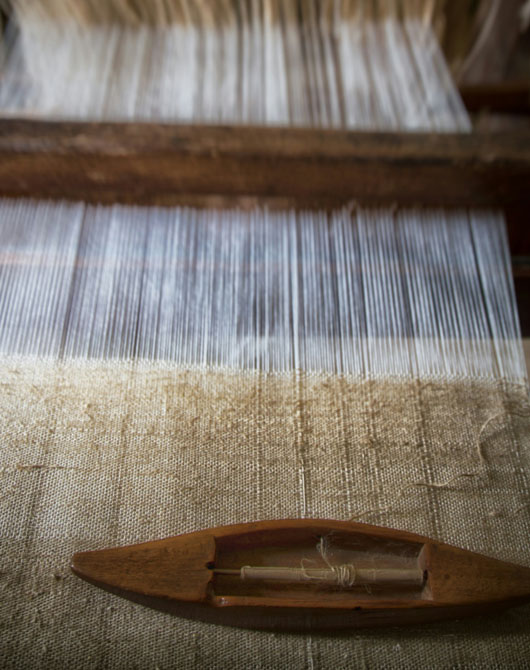
Weaving and knitting interlace yarn systems into engineered textile constructions designed to achieve targeted texture, structural depth, dimensional behavior, and performance functionality. These constructions subsequently undergo dyeing and printing applications to introduce chromatic sophistication and intricate aesthetic articulation.
Specialized finishing and treatment processes further enhance softness, shrink resistance, durability, resilience, and visual refinement. Comprehensive quality inspection validates structural consistency, color permanence, and performance conformity before final packaging and dispatch ensure product integrity throughout logistical transit.